Australia
 Canada
 USA
USA
Our top tips for travel in Japan
In this section we've put together lots of useful practical advice about travelling in Japan. Choose a link from the left menu to jump to a section. Of course, everyone travelling with InsideJapan Tours is supplied with our complimentary Japan Info-Pack and has 24/7 support from our office in Japan. Those of you taking a Small Group Tour will also receive on-the-ground assistance from your tour leader.
If there is anything we've forgotten, please email us and we'll do our best to include it soon.
-
Facts about Japan
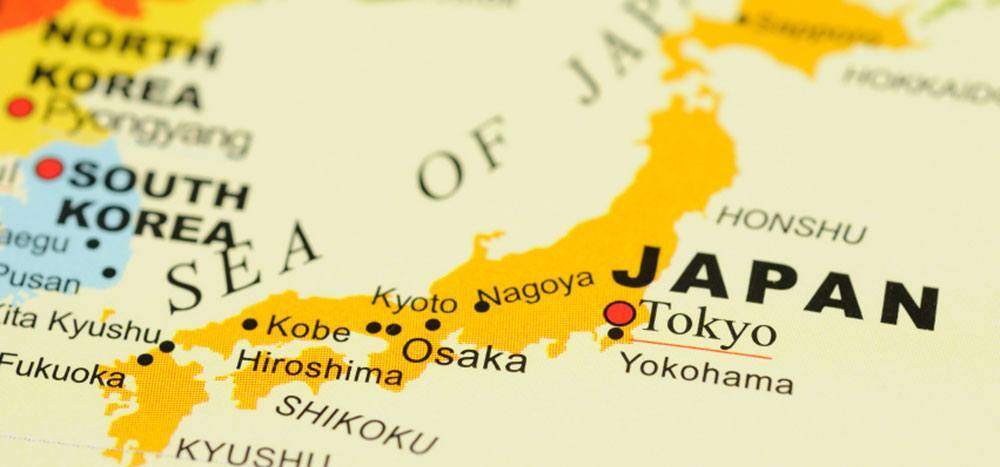
Area: 377,829 sq km (145,877 sq miles)
Population: 124.5 million (2025) - predicted to fall rapidly over the coming decades
Population Density: 336 per sq km
Capital: Tokyo
Population: 14.18 million (2025) - Tokyo Metropolitan Government district. The population of greater Tokyo is much larger!
Time: GMT 9
-
Travel Advice
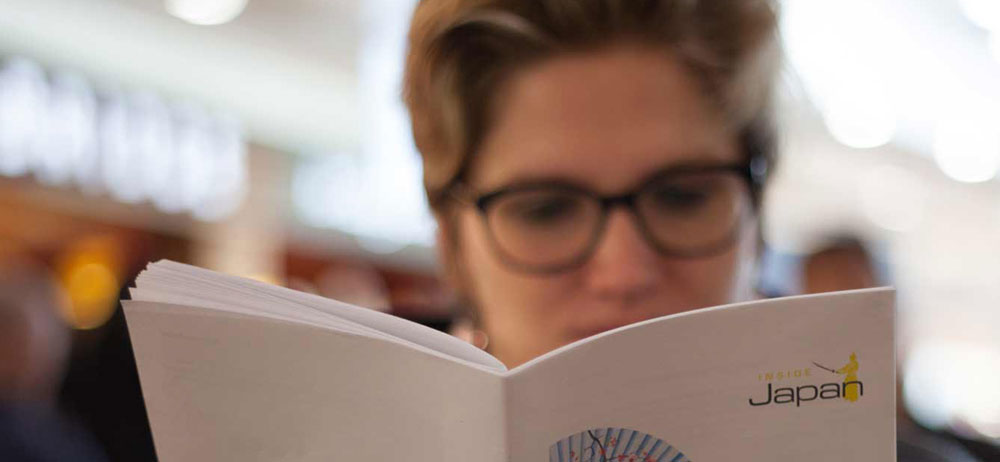
Japan is considered one of the safest countries in the world. While there is always the chance of changing conditions or events beyond our control, these are extremely rare. We have sent customers on trouble-free trips to Japan for many years.
If you need any further advice, our experienced travel consultants are on-hand and happy to help. From the moment you book, until your return, we'll keep you informed about any developments that may affect you. With teams in the UK, US, Australia and Japan, there's always someone there to take your call.
Before leaving: Contact a health professional up to 6 weeks before your departure to see whether you need any vaccinations. Take out suitable travel insurance, ensuring that any adventure activities are covered.
For more information
Please call us if you have any further questions and always check your governments' travel advice pages before travelling.
UK FCO Advice: https://www.gov.uk/foreign-travel-advice
US State Department: https://travel.state.gov/content/travel/en/international-travel.html
Australia Smartraveller: https://www.smartraveller.gov.au/
-
Climate
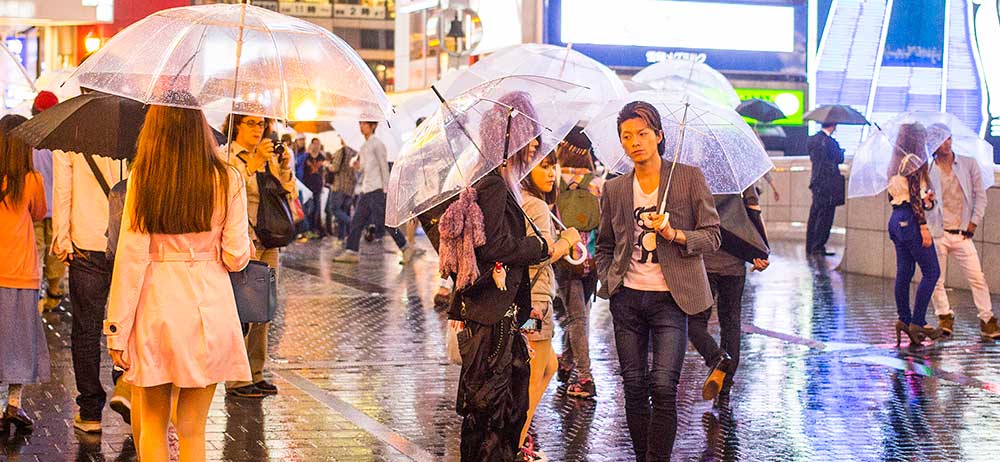
The weather is a favourite topic of conversation in Japan. This is unsurprising given the complexity of the climate in a country spanning 20 degrees of latitude.
From the harsh winters and mild summers of Hokkaido to the sub-tropical Okinawan climate there is a great variety in Japanese weather. Even in the same city both extremes of weather can be experienced in a year - Sapporo in Hokkaido can experience temperatures of minus 10 in the winter but heat waves of 30 degrees in the summer are not a rare occurrence.
On the mainland, summer temperatures are generally between 20 and 30 degree centigrade. In the early part of summer (mid-June to mid-July) there is a rainy season lasting a few weeks, this is however broken up by days of fine weather. Rains come again in late summer thanks to typhoons, although these usually blow over in a day.
If you need to know more, head to When to Travel.
-
Electricity
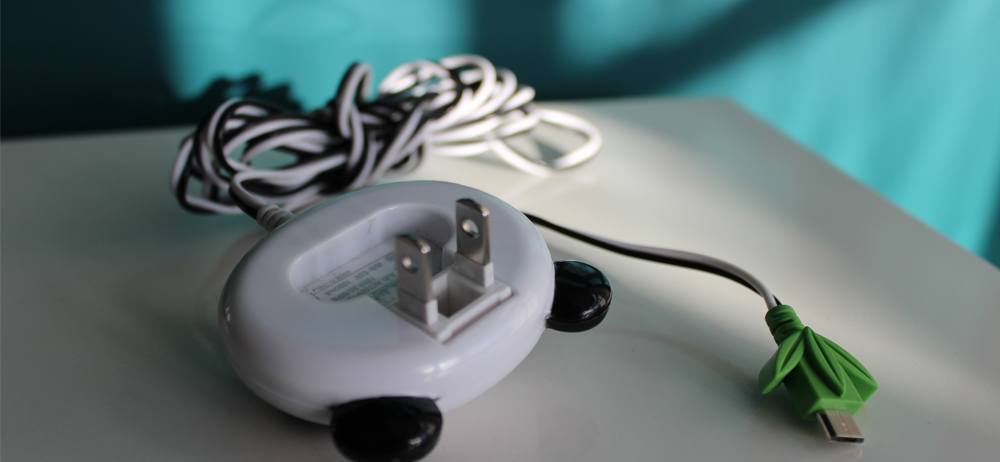
Unusually Japan does not have a single national grid, but instead has separate grids in the east and west of the country. The standard voltage is 100V across the country, but the frequencies vary: 60Hz in Western Japan and 50HZ in Tokyo and the east.
Plugs are the flat 2-pin kind similar to the US. If you have a US plug converter, this will work fine in Japan.
-
Mobile Phones
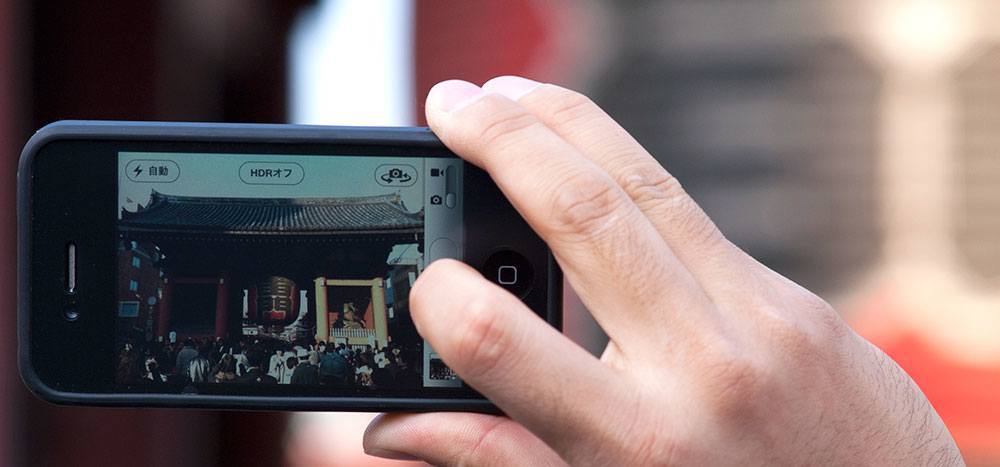
There is a lot of confusion surrounding the use of overseas mobile phones in Japan. The mobile network in Japan works on a different system to the rest of the world, but if your handset is 3G or above, you should have no problems using your phone. However phone charges can prove expensive - especially for data use - so we recommend turning roaming off to avoid a nasty surprise!
While almost all hotels in Japan offer complimentary WiFi, you might find you need Internet access while out and about to keep in touch with people back home or to use good old Google maps!
We suggest renting a pocket WiFi device so you can stay connected on the go. There are many companies offering this service; we recommend PuPuRu as their device has the best coverage across Japan and includes full insurance.
www.pupuruwifi.com
-
Medication
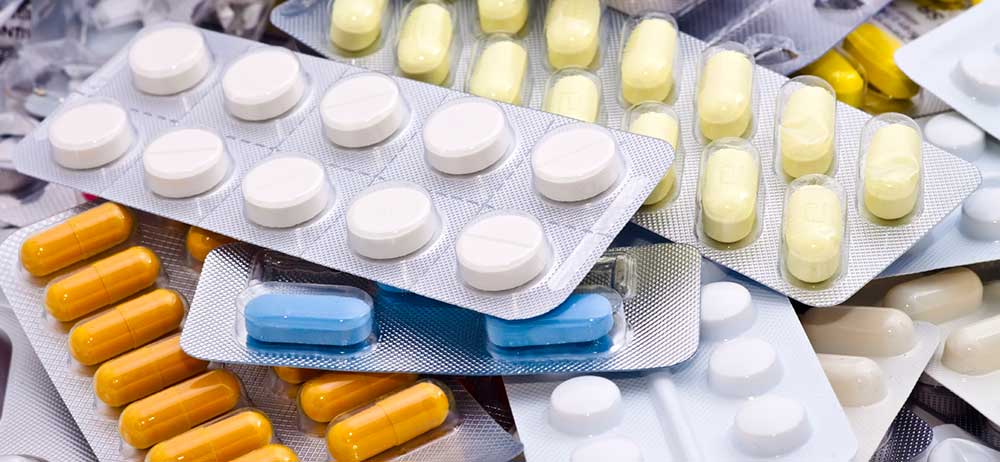
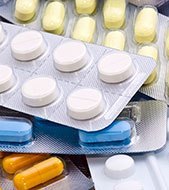
Japan has strict rules about taking prescription drugs and medication into the country. Even some common cold remedies are not permitted so it is always worth checking prior to travelling. We advise contacting the Japan Embassy in your country for the latest information.
The information below is current as of Jan 2019 (UK Japan Embassy) and can be used as a general rule. However, if you are unsure it is always best to check.
You are permitted to take up to one month's supply of a prescribed drug and two months of an over the counter drug into Japan without obtaining prior permission. If your medication is prescribed, we advise that you take either a copy of the prescription or a letter from the doctor stating that the medication has been prescribed to you. It is also advisable to take the medication in the original packaging. If you are taking more than the quantities mentioned above, or if you need take needles, you will have to apply for an import certificate, known as a Yakkan Shoumei.
Please note that there are a few exceptions to the above rule. Any medication containing pseudoephedrine (ie. Sudafed or Vicks inhalers) is not permitted as this is a banned substance in Japan (under the anti-stimulant laws). If the medication contains a narcotic like codeine or morphine, then you will need to obtain a different certificate regardless of the quantity being taken into Japan. -
Currency
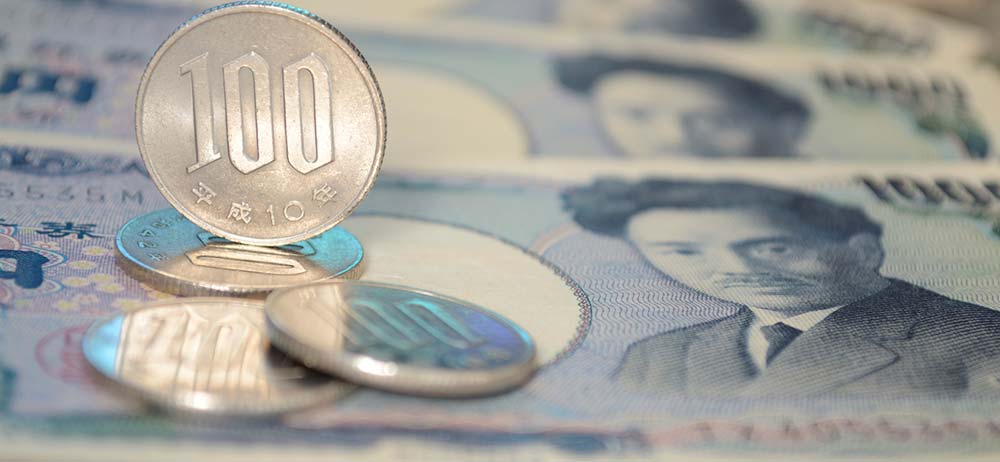
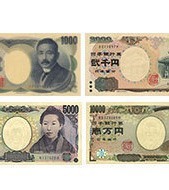
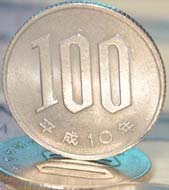
The Japanese unit of currency is the Yen. There are 6 different denomination coins in circulation - 500, 100, 50, 10, 5 and 1 - and 4 different denomination notes - 10000, 5000, 2000 and 1000. These are all shown above.
The highest denomination note is the 10,000 yen note (Ichiman-en satsu in Japanese). Japan is still a cash based society and relatively safe, thus despite their high value you will see plenty of ichiman-en notes in circulation. The other notes are worth 5,000 yen, 2,000 yen and 1000 yen (sen-en satsu)
Although there are four different denomination bank notes you are unlikely to see any 2,000 yen notes unless you bring these with you to Japan. This bank note was introduced in 2000 to mark the new millennium. However, nearly all of these notes have since been distributed to overseas banks and only make their way back to Japan in the wallets of tourists. They are so unusual that shopkeepers are likely to remark on the note when you pay. We once had a taxi driver refuse to accept a 2,000 yen note because he didn't believe it was legal tender! Don't worry though, that is definitely not the norm!
As for coins, there are three silver coins: the 500 yen coin (not to be confused with a Korean coin of similar size but far less value), the 100 yen coin, and the 50 yen coin which has a hole through its centre. The 10 yen coin and 5 yen coin (again, with a hole in it) are both bronze; the almost worthless one yen coin is silver and weighs next to nothing.
The 500 yen coin (top left) is the highest value coin in general circulation anywhere in the world. You may come across 'One Coin' bars or pubs in Japan. Basically this means that everything costs 500 yen. These can be very good value so keep your eyes open.
The 5 yen coin is the only coin which does not have its value in displayed in Arabic Numbers on the coin (e.g. 1, 50, 100, 500). Instead it has the kanji character 'go' which means 5. The 5 yen coin is also considered lucky because in Japanese it is pronounced 'go en' which also means "good fortune"
-
Exchange rates
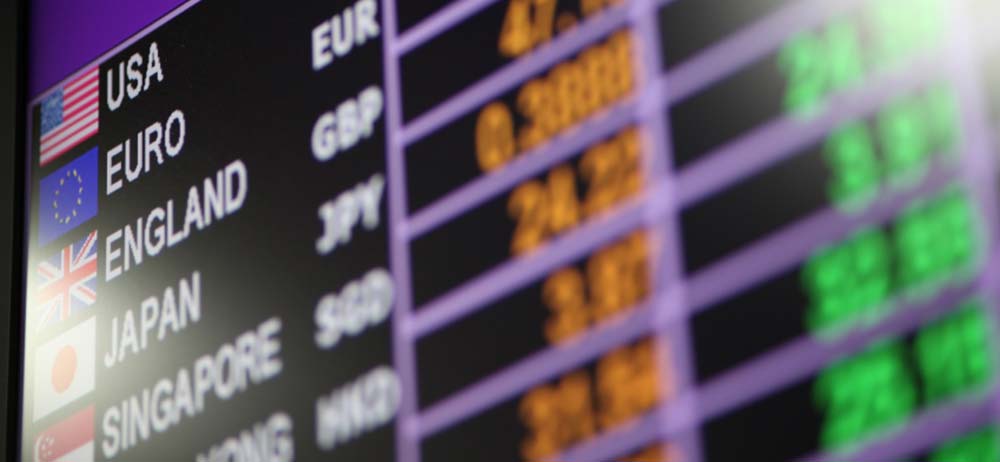
The Japanese Yen continues to be the most volatile of the major currencies. Until the financial crisis, the yen had weakened over the proceeding 6 or 7 years to reach lows of a 250 to the pound and 140 to the US dollar. For many years money has been cheap to borrow in Japan, so huge volumes of yen were borrowed to buy other currencies and invest in countries with higher yields. But with the financial crisis yen was seen as a safe haven currency so huge flows came back and the currency gained in value, dramatically hitting highs of 74 to the US dollar and 117 to the pound.
Exchange rates are subject to change, so keep an eye on the latest rates before you travel. We recommend checking via www.xe.com for the most current exchange rates for your home currency.
You can change your money at the airport, most banks and post offices where they should have current rates of exchange clearly on display. Keep your passport handy.
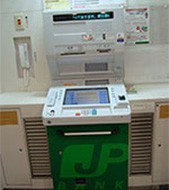
A cash advance on Visa card at Sumitomo banks is possible, but not always convenient or found outside of the major cities. You can use Visa and Mastercard cards to withdraw money at Post Offices and 7-11 ATMs (see below).
How much money will I need in Japan? - Please head to our FAQs section for more advice.
-
Passports & Visas
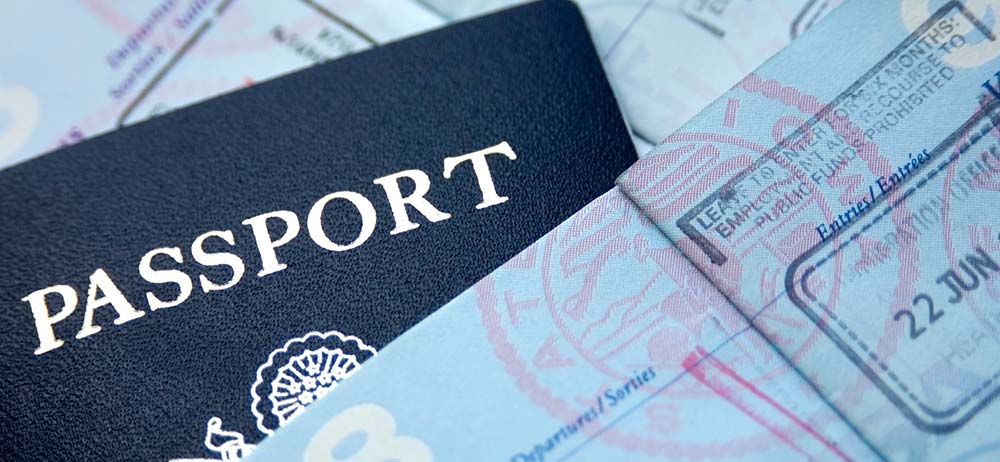
This information is intended as a guide only, for official information please contact your nearest Japanese Embassy. An onward ticket is sometimes required in order to be allowed into the country. Your passport must be valid for the duration of your stay and it's always a good idea to make a photocopy of your passport in case you lose it.
Nationals of UK, Germany, Mexico, Austria, Switzerland, Liechtenstein, Ireland - No Visa Required, maximum stay of 6 months (initially 3 months, then apply for extension)
Nationals Of other EU, Bahamas, Chile, Colombia, Costa Rica, Croatia, Cyprus, Hungary, Iceland, Malta, Mauritius, Singapore, Turkey - No Visa Required, maximum stay of 3 months
Nationals Of USA, Barbados, New Zealand - No Visa required, maximum stay of 90 days
-
Getting Money
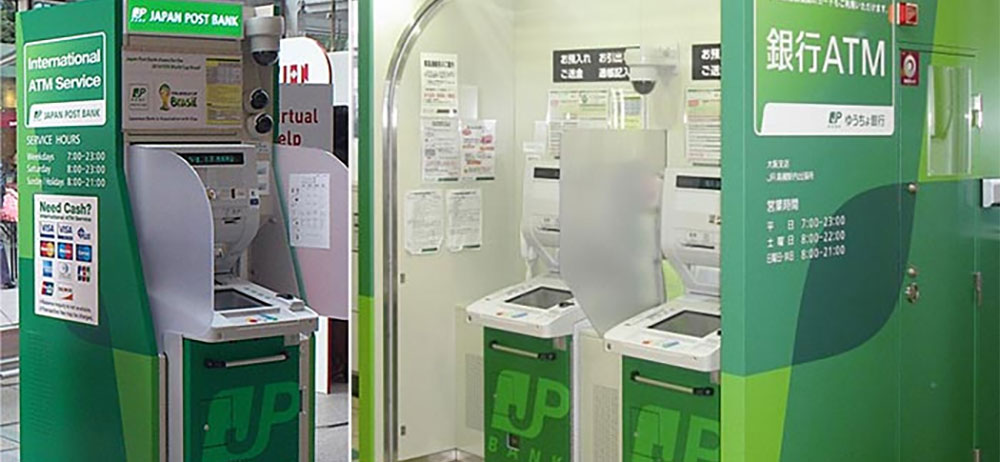
Japan remains largely a cash-based society, so it's always worth having some currency (Yen) to hand.
Credit and Debit Cards & ATMs
With international cards, the most reliable method of taking out money is at the Post Office cash machines or ATMs at branches of the Seven Eleven convenience store. You will need a 4 digit PIN number to do this.
Credit cards and debit cards of the major issuers (Visa, Mastercard, Amex, JCB, Diners) are becoming increasingly accepted in the major cities. However they are not used as much as in western countries. At the supermarket there may only be one till where you can pay with plastic and more often than not you will not be able to use a credit card.
24hr credit card Emergency Numbers:
American Express: 0120 020 120
Mastercard: 03 3256 6271
Visa: 0120 133 1363Be sure to take the phone number of your card issuer with you to Japan - if you have a problem with your card then most likely a quick call to your card issuer will solve it.
There are no personal cheques in Japan - mail order items are often paid for by bank transfer.
Japan has an 8% consumer tax (included in most displayed prices) and some small local taxes for restaurant bills exceeding 5000 yen and hotel bills exceeding 10000 yen.
-
Tipping
As a rule there is no tipping in Japan - just pay the price on the bill! There are many stories of unwitting foreigners leaving a tip on the table only to be pursued down the street upon leaving the restaurant by staff frantically trying to return the "forgotten" cash. In a top end restaurant this will not happen but there is certainly no requirement to leave a tip in Japan and it is not expected.
The same goes for taxis. There is no need to pay the driver more than the metered fare. However, if you wish to leave the change with the driver most will accept this. Some however, will not, and will return your money to you.
At hotels there is no need to tip the bellboy for helping you with your luggage. This is all part of the service.
If you utilise the services of a guide during your stay in Japan you are not expected to tip at the end of the day. However, a small gift from your home country is very much appreciated as a thank you. This should be no more than a token present such as a box of sweets or biscuits, or perhaps a tea towel. Anything from your local town or city will be very well received.
Occasions to tip
There are a couple of occasions when it is appropriate to tip. The first is when you stay at a high end ryokan. This only applies when meals are served in your room and the tip should only be a small amount for the maids who serve your meals and lay out / put away futons. Unlike in the West where tips are given after the service is provided, you should tip at the beginning of your stay. A suitable tip would be 1,000 yen per night of your stay and this needs to be left inside an envelope on the table in your room.
Never hand a cash tip to anyone as this is considered uncouth. The money should always be hidden from view in an envelope. Fortunately, every convenience store sells a range of envelopes suitable for this purpose. Just don't pick the fancy envelopes with gold or black ribbons - these are for weddings and funerals!
The second occasion when a tip is appropriate is if you use the services of a driver for a day. Again the tip should be given at the start of the day. A suitable figure would be 1,000 yen for a half day and 2,000 yen for a full day. This should be given to the driver in an envelope. As you hand over the money you should say "yo-ro-shi-ku one-gai-shi-masu" which means "please favour me' - exactly what you are hoping for!
-
Luggage Forwarding
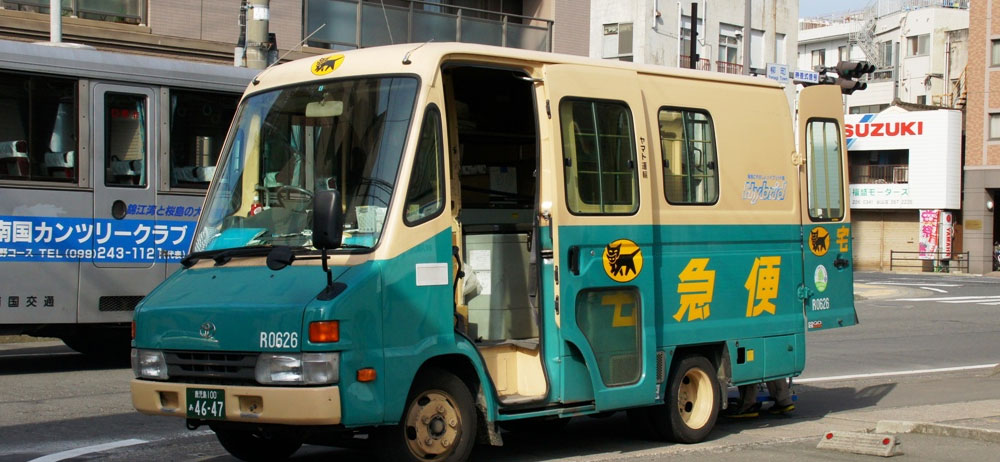
Japan has a number of companies that offer excellent luggage forwarding services - referred to as takuhaibin in Japanese. You can send your bags onwards to a hotel or any of Japan's 17 main airports. This is common practice in Japan so hotels will be more than happy to hold your bags until you arrive. If you are sending bags to an airport, allow a little extra time to pick them up. Don't forget to keep your receipt to prove which bags are yours!
You can send your bags from most convenience stores and some hotel lobbies. Use the Japanese addresses in your info-pack to help and ask the shop / hotel staff to fill out the forms for you.
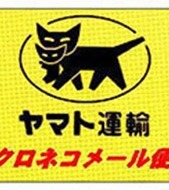
The most widespread company is Yamato Transport, commonly known by the nickname kuroneko (black cat). Look for the famous logo (shown above):
The service is very affordable and extremely reliable. A large suitcase will cost no more than 2,220 yen to forward anywhere in the country, and is likely to be considerably less. You will pay more for two small bags than one large bag so consider this when packing for your Japan vacation - one large bag and one overnight bag is the way to go.
Do be careful when sending bags to remote areas of the country as this is a two-day service, rather than an overnight one. Destinations with two-day delivery periods include Hokkaido, Okinawa and remote regions of Kyushu and Shikoku. If in doubt, ask when you are sending your bags - the person assisting you will have the delivery times to hand.
Always allow two days for delivery if sending your bags to the airport. Otherwise you may turn up and find your bag is not there to fly home with you!
-
Health & Safety
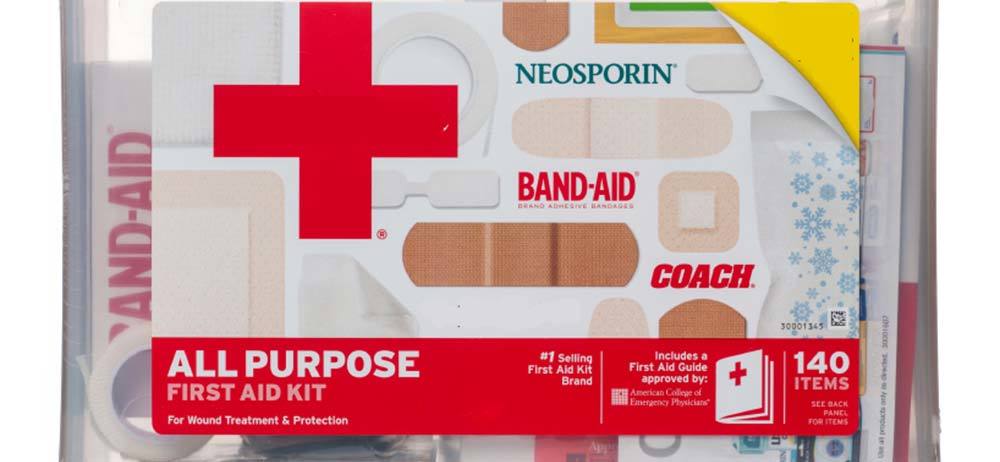
Although Japan is a clean and relatively safe country, it is always advisable to take out Travel Insurance for the duration of your stay.
Come to Japan in the summer or autumn and you will, unfortunately, meet some mosquitoes. You can buy various repellent sprays and creams in Japan or you may wish to bring some from home.
You can also get electric repellent devices for your room, but most rooms have air-conditioning, so the best thing is to shut the windows. If you think you will have a particularly bad reaction it may be best to cover up, especially in the evenings.
Malaria is not endemic in Japan so there is no need to take any tablets.
Food and drink are generally considered safe but there is a small risk of parasitic infection and toxins from raw seafood.
Japan is perhaps the world's safest country and personal crime is almost unheard of. You are extremely unlikely to have anything stolen in Japan and the likelihood of being threatened in any way is very small indeed. It is not uncommon to leave your wallet, phone, camera or laptop in a bar or restaurant and return hours later to find your lost property waiting for you.
Nevertheless, you should still take the usual precautions: keep large amounts of money out of sight and consider using a money belt. Pack away valuables in your hotel room and keep an eye on your bag and other personal effects when out and about. Some areas are known to have occasional instances of muggings such as Roppongi and Kabuki-cho in Tokyo and America Mura in Osaka. Extra care should be taken in these locations.
Japan is a safe country for female travellers. Most areas are safe to walk through alone, but it is always best not to travel alone at night where possible. Unfortunately, women can occasionally find themselves the subject of unwanted attention from drunk Japanese salarymen. Such men are best ignored, and a firmly delivered "Go away!" will usually embarrass them into leaving you alone.
Feel free to call any of our consultants if you have further questions, otherwise for the latest official government travel advice, including security, local laws, passport and visa information, please visit our Travel Advice page. -
Emergencies
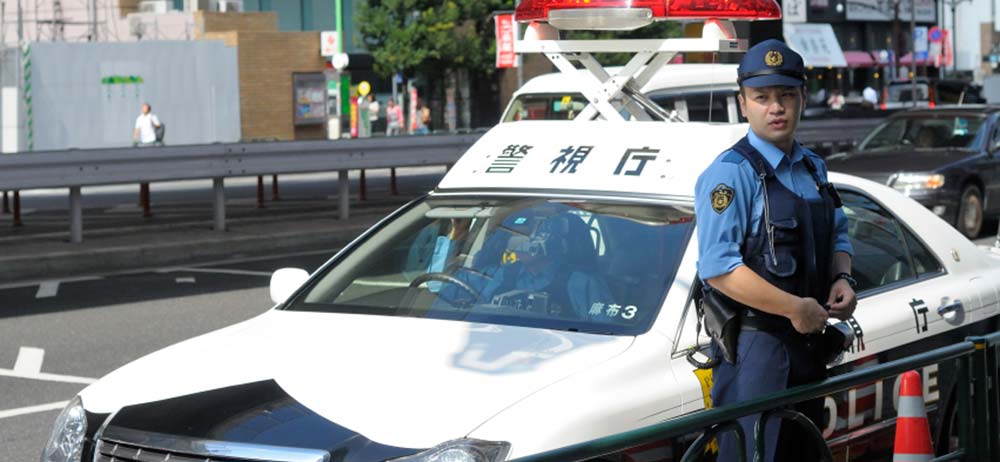
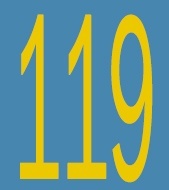
Police: dial 110 Fire / Ambulance: dial 119
You should be able to make yourself understood in simple English.Japan Helpline: 81-50-3816-2787 (for emergency advice in English 24hrs)
The Japan Helpline service is Japan's only 24 hour nationwide assistance service for the international community. From earthquakes to toothache they can be of assistance.
For people travelling on an InsideJapan Tours package you will also have the full back up of our support team in our Nagoya office. They are there to assist whatever issues you may encounter.
 Inside Japan UK office
 Inside Japan US office
 Inside Japan Australia office
 Inside Japan - Japan office